
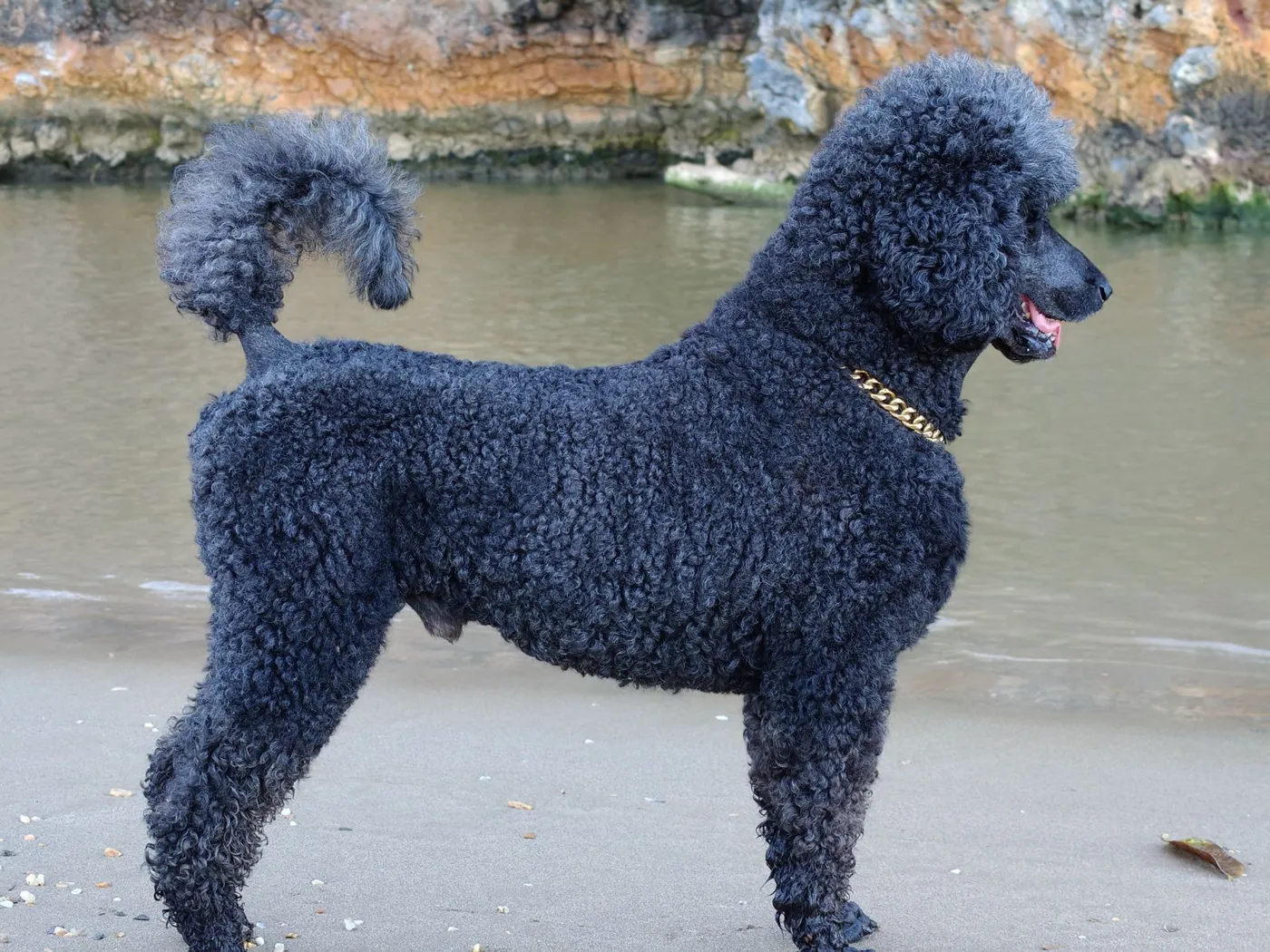
- Partynski’s path connects grooming school, competition and instruction.
- A manufacturer educator role is a commercial relationship, not independent product validation.
A teacher’s work can be visible in another person’s career.
When groomer Dede Smith described learning the trade in a 2017 VoyageChicago interview, Valerie Partynski was among the people she credited. It is a small but useful piece of evidence: a professional naming someone who helped shape her work. Smith’s interview.
Partynski’s story runs through that kind of transmission. Her work includes grooming, competition and education, with a path that took her from student to instructor and from competition table to commentary microphone.
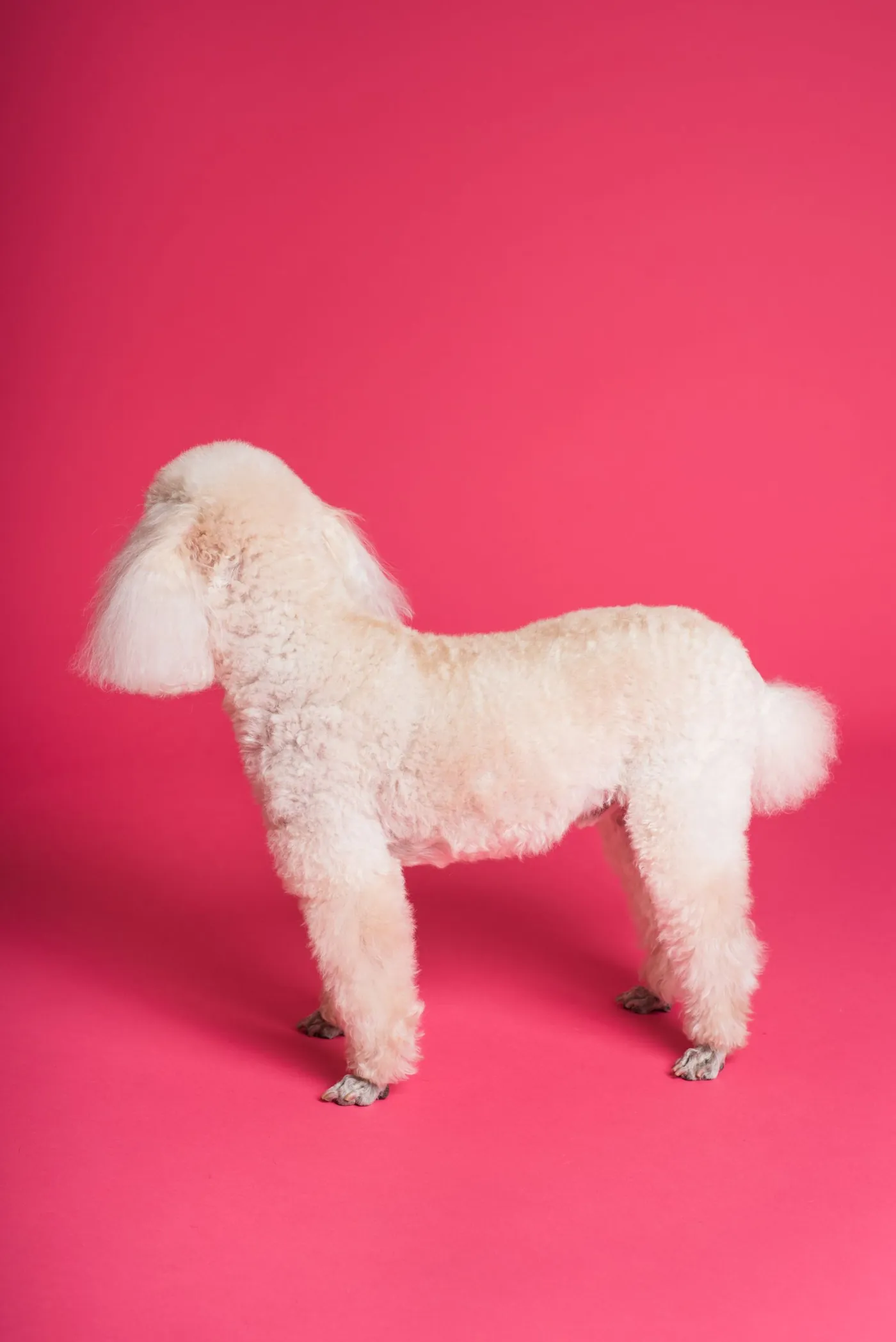
Java and a return to grooming school
Andis’ educator biography traces her early experience to a grooming household and a standard poodle named Java. It records formal training at Great Lakes Grooming Academy, graduation in 2001 and a later period teaching there. The educator biography.
The academy matters twice in that account. It supplied instruction, and then became a place where she could pass instruction on. The claim is specific: a practitioner returned to teach. It does not require calling her the person who changed grooming everywhere.
Andis is an equipment manufacturer, so its educator profile also describes a commercial relationship. That is relevant context for evaluating product advice. The role documents a teaching platform; it is not an independent verdict about every tool the company sells.
A competitor picks up the microphone
In Groomer to Groomer’s December 2012 feature about GroomerTV, Partynski explained why she was invited to participate: “I had just won the intermediate poodle class” at the All American show. The production wanted “a little different perspective” from a competitor at her stage. The magazine feature, page49.
Her description of the experience was less glamorous than a television title might suggest: “It was a lot of running around, then waiting.” Anyone who has worked an event may recognize the schedule.
The larger point is that explaining a competition requires a different skill from entering it. Viewers need someone to notice the decisions, translate unfamiliar terms and explain why details matter. A grooming show can become more legible through the perspective of someone who knows what the work feels like from the table.
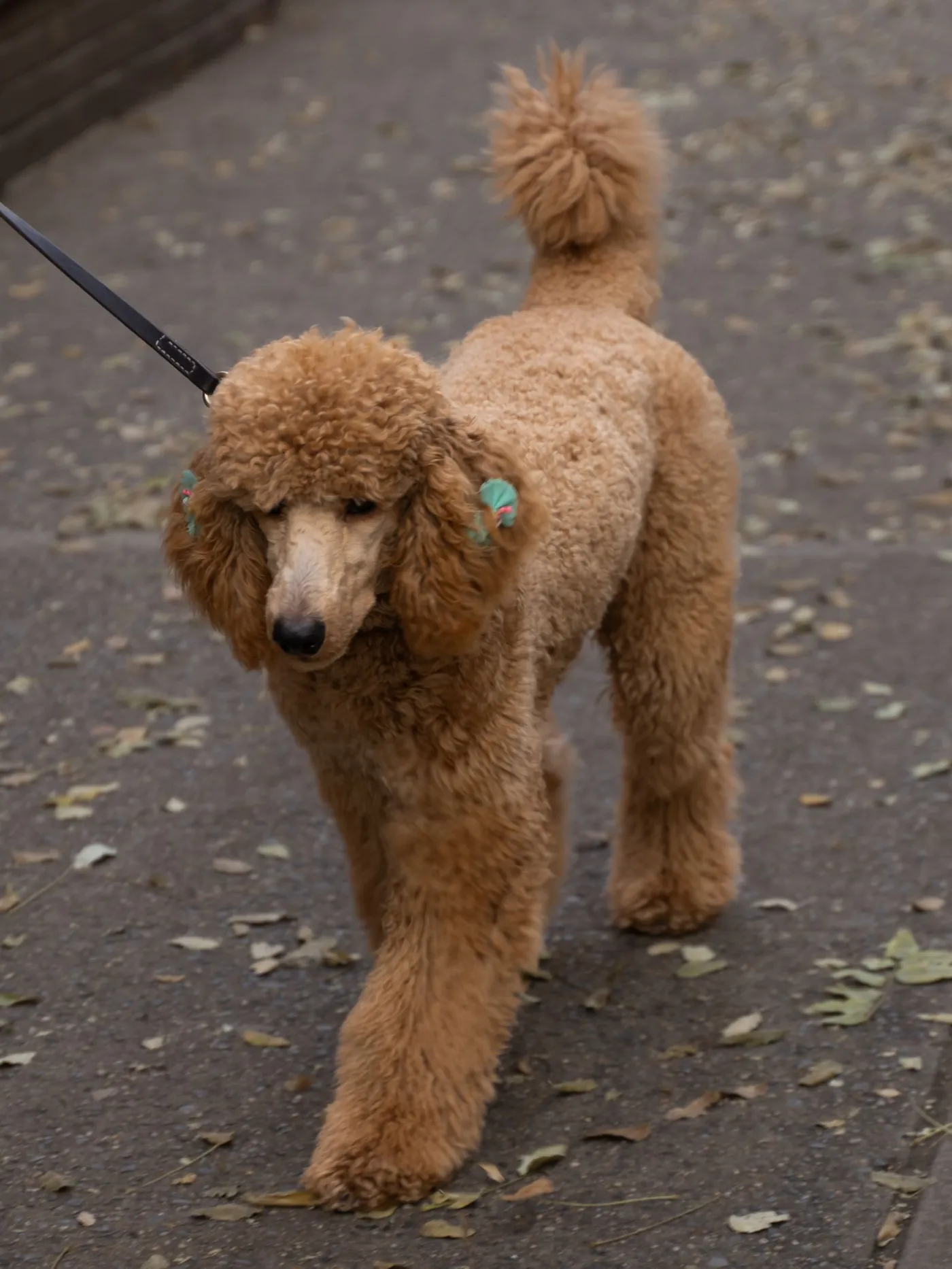
What client care adds to a haircut
A later Daily Groomer episode, published April8,2026, returned to Partynski’s experience through the subjects of training, professionalism and client relationships. The episode is a conversation with her, not an article she authored. Its description points toward the ongoing service work behind a finished groom: expectations, repeat visits and communication.
The reviewed public record therefore supports a portrait of a groomer who teaches and explains her profession. It does not support attributing a unique scientific discovery or a universal grooming method to her.
For a pet owner, the practical takeaway is to look for the explanation alongside the photograph. Can a groomer discuss what a coat needs between visits, what the appointment can achieve and how the animal’s comfort shapes the work? A beautiful result is easier to understand when its maintenance and process are visible too.
For you: What did Java teach you about working with a coat?
How we reported this: We have not interviewed Valerie Partynski. This portrait uses a manufacturer’s educator biography, a trade-magazine interview and another groomer’s account of learning from her. She is not a flurrily partner, and this is not an endorsement. Corrections and additional context are welcome.
Photos: joaquinrr on Pexels; Goochie Poochie on Pexels; brett-a on Pexels; grish-petrosyan on Pexels.