
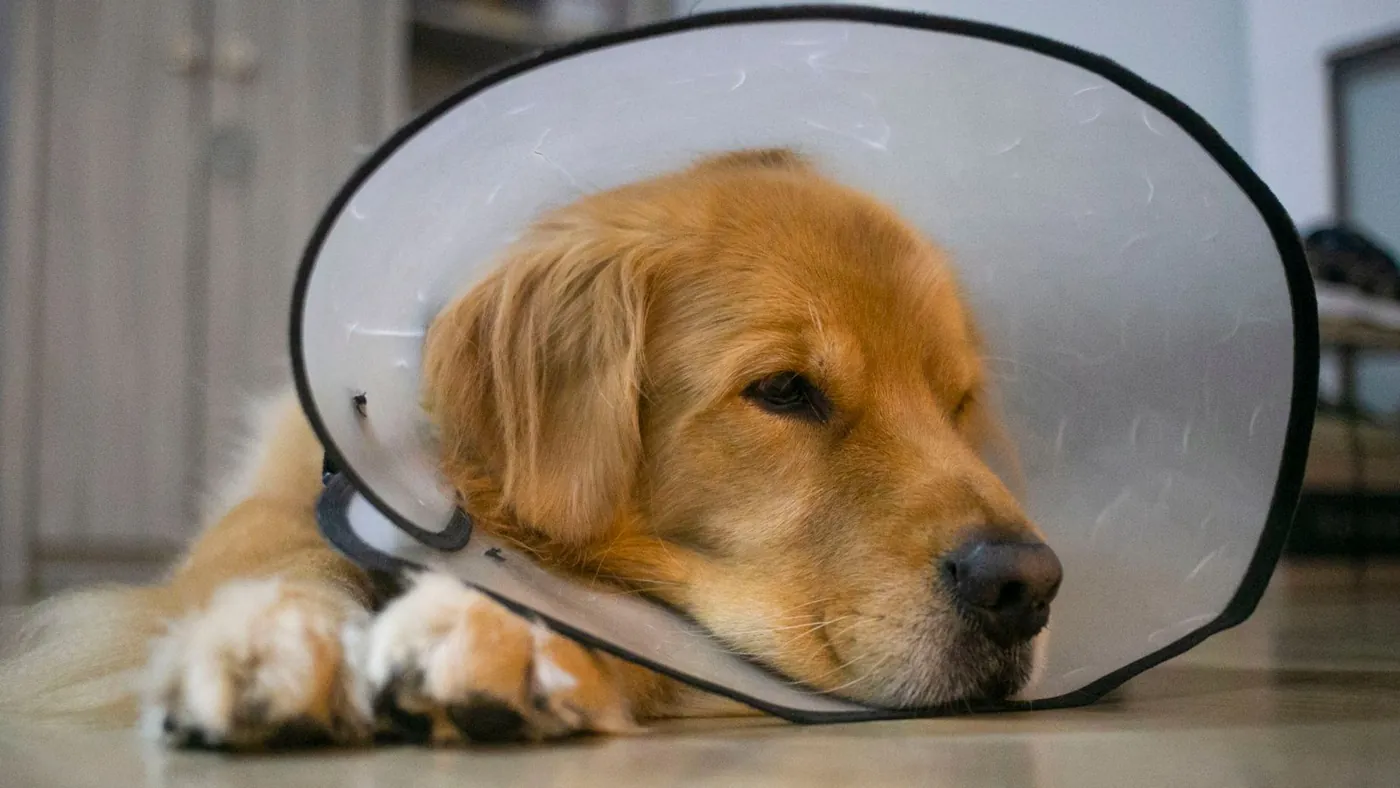
The monthly price is easy to find. What happens when your pet actually needs care can take more reading.
We’ve gathered resources from insurance regulators and the pet insurance industry to help you untangle that second question. flurrily is curating their guidance, not recommending a carrier or deciding how you should fund your pet’s care. This guide concerns US coverage; contracts and state rules vary.
First, which kind of bill is this policy for?
The National Association of Insurance Commissioners, the association of US state insurance regulators, distinguishes accident coverage, accident-and-illness coverage and wellness offerings. They answer different questions. An accident policy is not automatically illness protection, and a routine-care benefit does not establish what happens after an unexpected diagnosis. Compare the policy wording for the event you want covered. NAIC’s pet insurance overview.
The same resource explains the NAIC’s model legislation. A model is a framework states can adopt; it is not proof that identical rules apply everywhere. Your state insurance department is the relevant starting point for local requirements.

The premium is the first line, not the total
For historical context, NAPHIA’s 2025 industry report put average US accident-and-illness premiums in 2024 at US$749.29 annually for dogs and US$386.47 for cats—about US$62.44 and US$32.21 monthly. NAPHIA represents insurers. These are dated industry averages, not September 2026 prices, a promised range or a quote for your animal. NAPHIA’s 2025 report announcement.
A comparison sheet needs space for more than that monthly number: the deductible, your share of covered charges, exclusions, payout limits and renewal terms. The California Department of Insurance puts these questions alongside price in its consumer checklist. California’s insurance questions.
The part of the bill that may never enter the calculation
California’s checklist asks about pre-existing conditions, waiting periods, hereditary conditions and congenital disorders. These are questions to ask, not a claim that every policy excludes every category. It also asks whether payment follows your actual bill or another reimbursement schedule. An advertised reimbursement percentage cannot answer those questions by itself. California Department of Insurance.
For an animal with a medical history, put the specific condition in your question to the insurer. For a change of insurer, ask how the new contract treats that existing history. Keep the written response with the policy you are comparing.

A worked example, with the assumptions visible
Here is illustrative arithmetic, not an insurer’s quote. Suppose a US$2,000 bill is entirely eligible, US$500 of deductible remains, and the contract reimburses 80% after subtracting that deductible:
| Calculation | Amount |
|---|---|
| Eligible bill less remaining deductible | US$1,500 |
| Insurer pays 80% of that amount | US$1,200 |
| Your share of this bill | US$800 |
Premiums are additional. Change the eligible charges, deductible already met, calculation order or benefit limit and the result changes. The example explains a calculation; your contract supplies the actual rules.
Insurance also leaves a timing question: who pays the clinic, and when? Ask the insurer and clinic separately about reimbursement, any direct-payment arrangement and the money you would need available on the day.
Keep these resources beside the quote
- Coverage vocabulary: NAIC’s pet insurance overview, for the main policy categories and regulatory context.
- Questions to send an insurer: California’s consumer checklist, especially exclusions, benefit limits and payment calculations.
- Historical market context: NAPHIA’s dated report, with its industry perspective made explicit.
- Your actual decision documents: the sample policy, exclusions, renewal terms and written explanation of how a claim would be calculated for your pet.
The unanswered question is personal: which expenses could your household absorb, and which risk are you trying to transfer? An insurer or licensed insurance professional can explain the contract; your veterinarian can explain anticipated care needs. Neither an industry average nor a cheerful quote page supplies both answers.
A NOTE FROM flurrily
We curate information from the named sources; we are not veterinarians or insurance advisers. This article does not replace a veterinary examination or advice about your particular policy and circumstances. Ask your veterinarian about your pet’s care and the insurer or your state insurance department about coverage.
Photos: gabpriisma on Pexels; Etatics Inc on Pexels; Bunkac Bebec on Pexels; Roselino Rocha on Pexels.