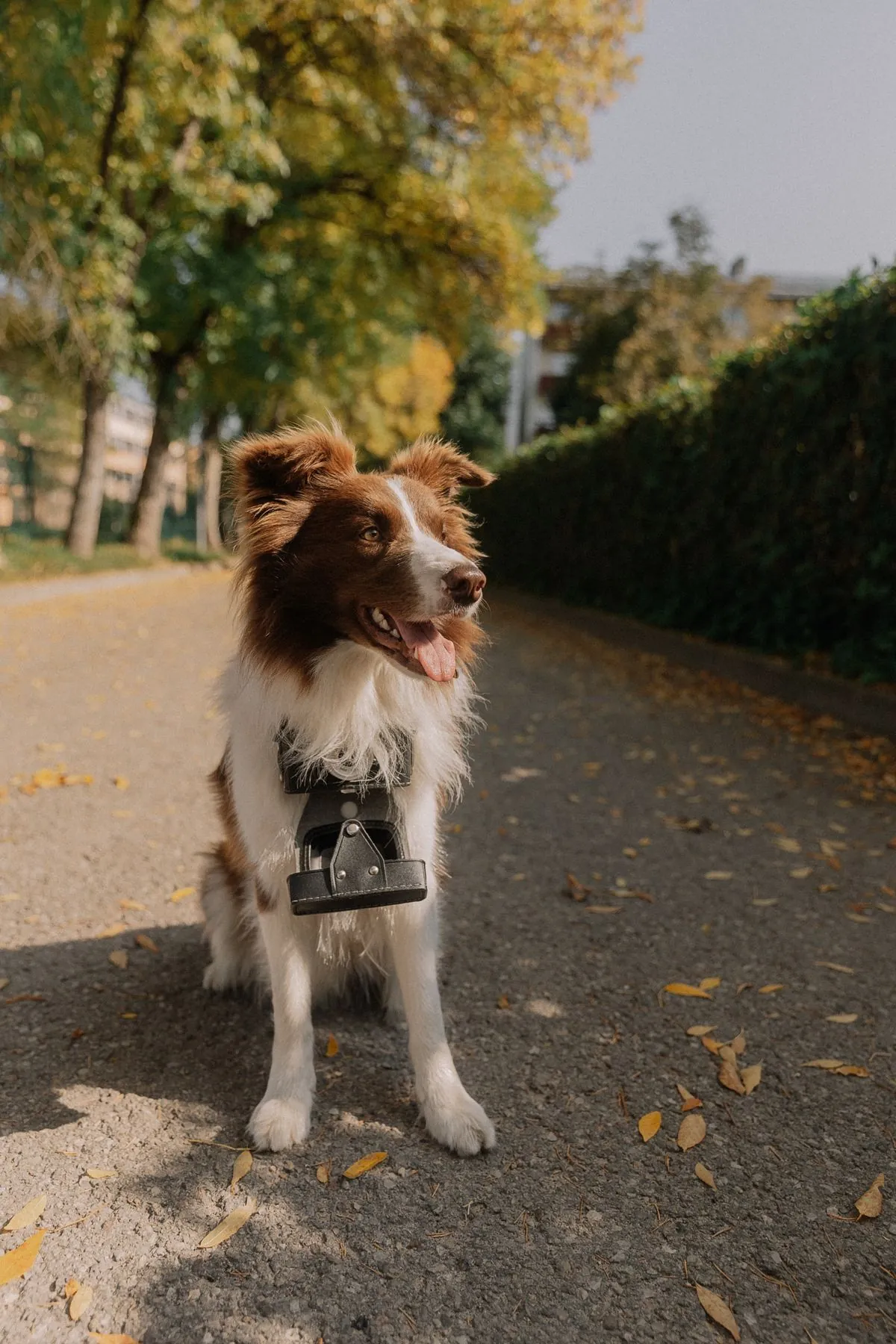
- DeRemer’s account connects fine-art study and veterinary-work experience with commercial dog photography.
- Published interviews document how a first assignment grew into repeat work.
- Her stated aim is recognizable expression, rather than making every animal perform the same pose.
A first assignment becomes a reason to keep going
In a March 2026 VoyageLA interview, Sarah DeRemer describes a national pet-store social-photography assignment that developed into repeat work. It helped turn several strands of her background into a business. Her description of the job is refreshingly short: “I photograph dogs.” Her published account.
The sentence leaves out the scheduling, client communication, editing and administration that she also discusses. Those parts make the difference between enjoying a subject and sustaining a photography practice around it.
Art and animal work meet again
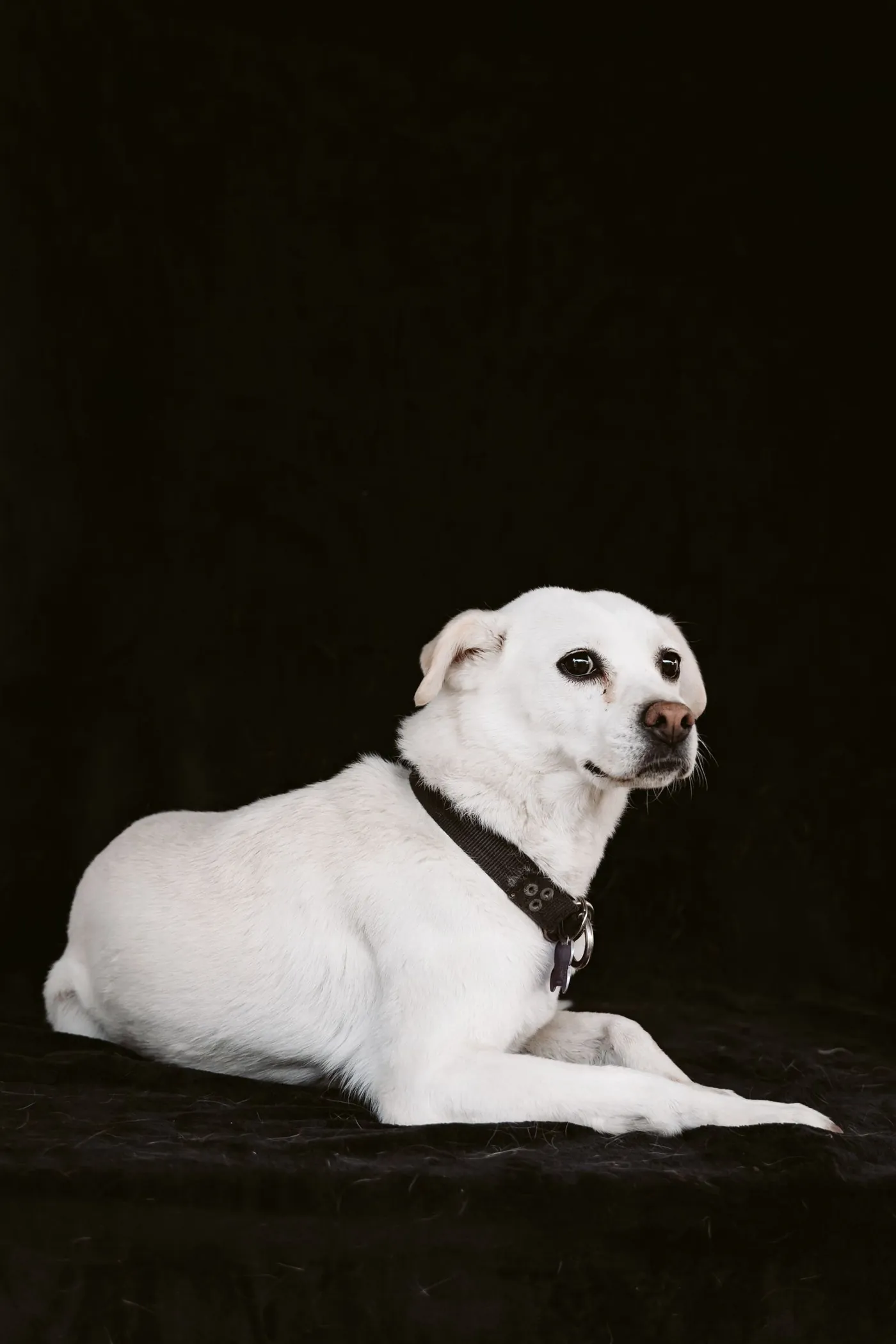
In an interview with American Lifestyle, DeRemer recalls beginning rescue involvement when young and working in a veterinary office as a teenager. She describes studying animal science before moving toward studio art, later teaching English in Seoul and developing surreal digital-image work. The dog-photography business followed those changes rather than replacing a single straight career path. Matthew Brady’s interview.
These are her published recollections. A history of veterinary work is relevant to her familiarity with animals, but it is not a claim that she is a veterinarian or a credentialed behavior specialist.
The expression is the assignment
“Authentic moments, real personality.” That is how DeRemer describes the photographs she wants to make. She also tells VoyageLA, “You can’t fake passion”. The first statement describes an artistic aim; the second is her view of the work, not independent evidence of its quality. The March 30, 2026 interview.
The useful detail is the attention to the particular animal. A pet portrait has a built-in audience of people who know the subject extremely well. They may care less about a technically perfect pose than whether the photograph contains something familiar.
What would count as your pet looking most like themselves, even if a stranger thought it was the outtake?
A portfolio is one kind of record
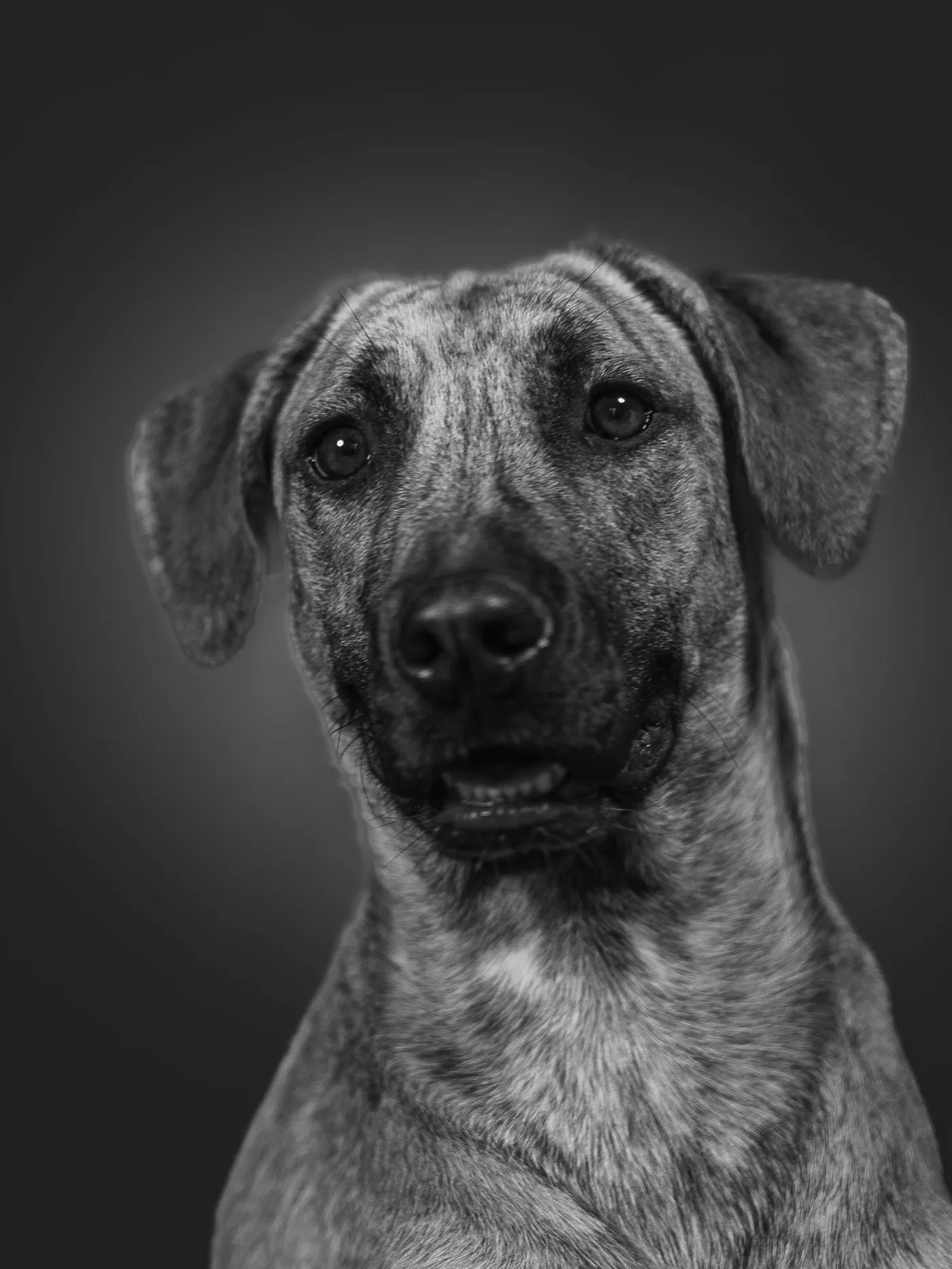
DeRemer’s own biography dates her professional photography to 2017 and lists commercial clients. Those are her business’s statements. This portrait does not convert a client list into an independently verified account of every assignment. Her professional biography.
An October 2024 appearance on the Connect2 photography podcast and the American Lifestyle feature provide separate publication records of her explaining the practice. Neither is an article authored under her byline. The Connect2 episode listing.
Reading those interviews together reveals a consistent subject: how experience with animals and visual work became a service people hire. It does not establish a medical benefit from portrait sessions or give a photographer’s interpretation the status of a behavioral finding.
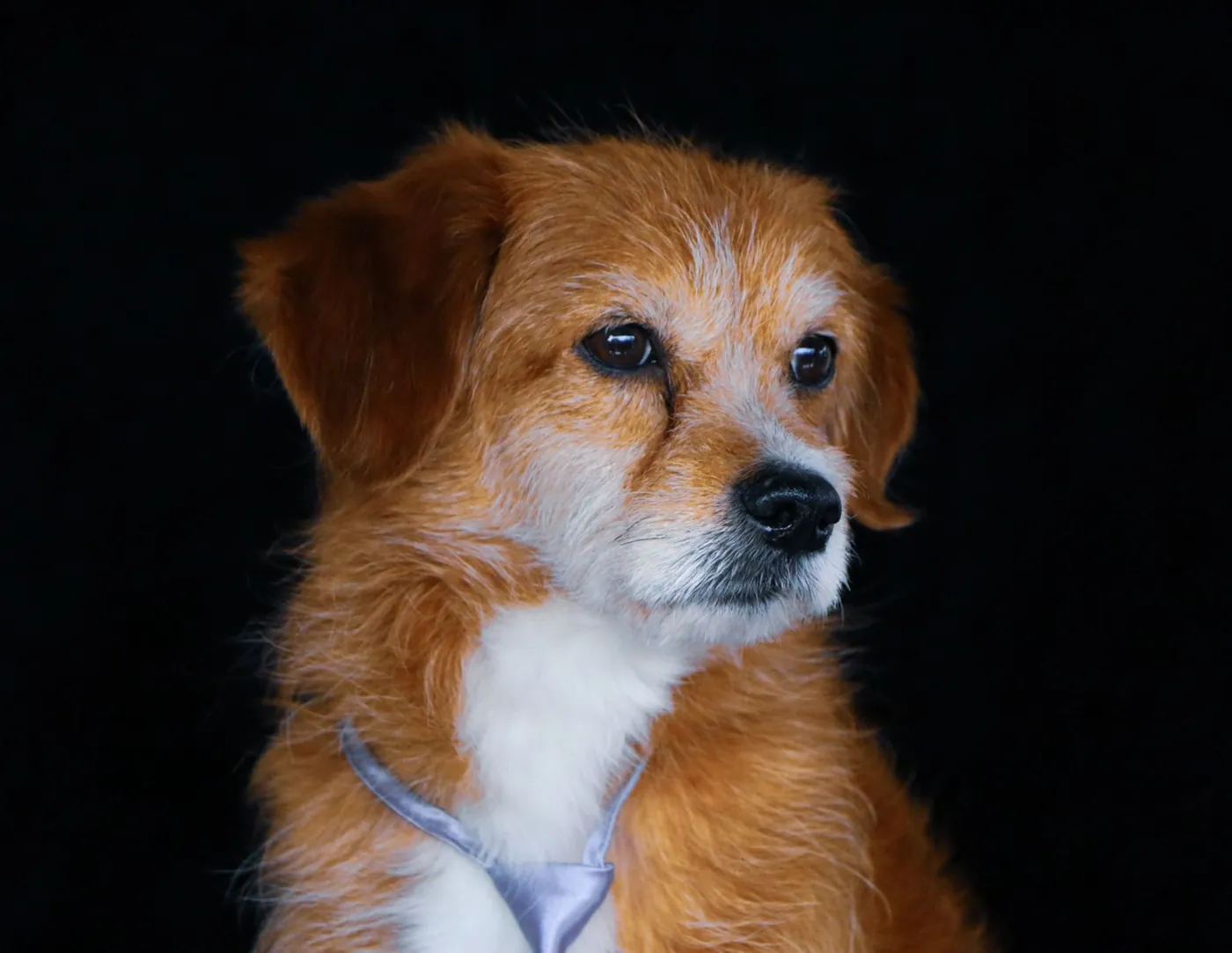
A picture worth recognizing
The contribution here is a documented body of commercial and personal dog portraiture, alongside public explanations of its process. Readers considering photographs of their own animals can take a useful question from it: how will this session make room for this particular pet?
For you: Which look, habit or small gesture would you most want a photographer to notice?
How we reported this: We have not interviewed Sarah DeRemer. This portrait uses published Q&As, her professional biography and an industry podcast listing. Personal history and artistic beliefs are attributed. She is not a flurrily partner, and this is not an endorsement of photography services.
Photos: Elina Volkova on Pexels; MikeGles on Pexels; Benoit Vacherie on Pexels; Anya Juarez Tenorio on Pexels.