
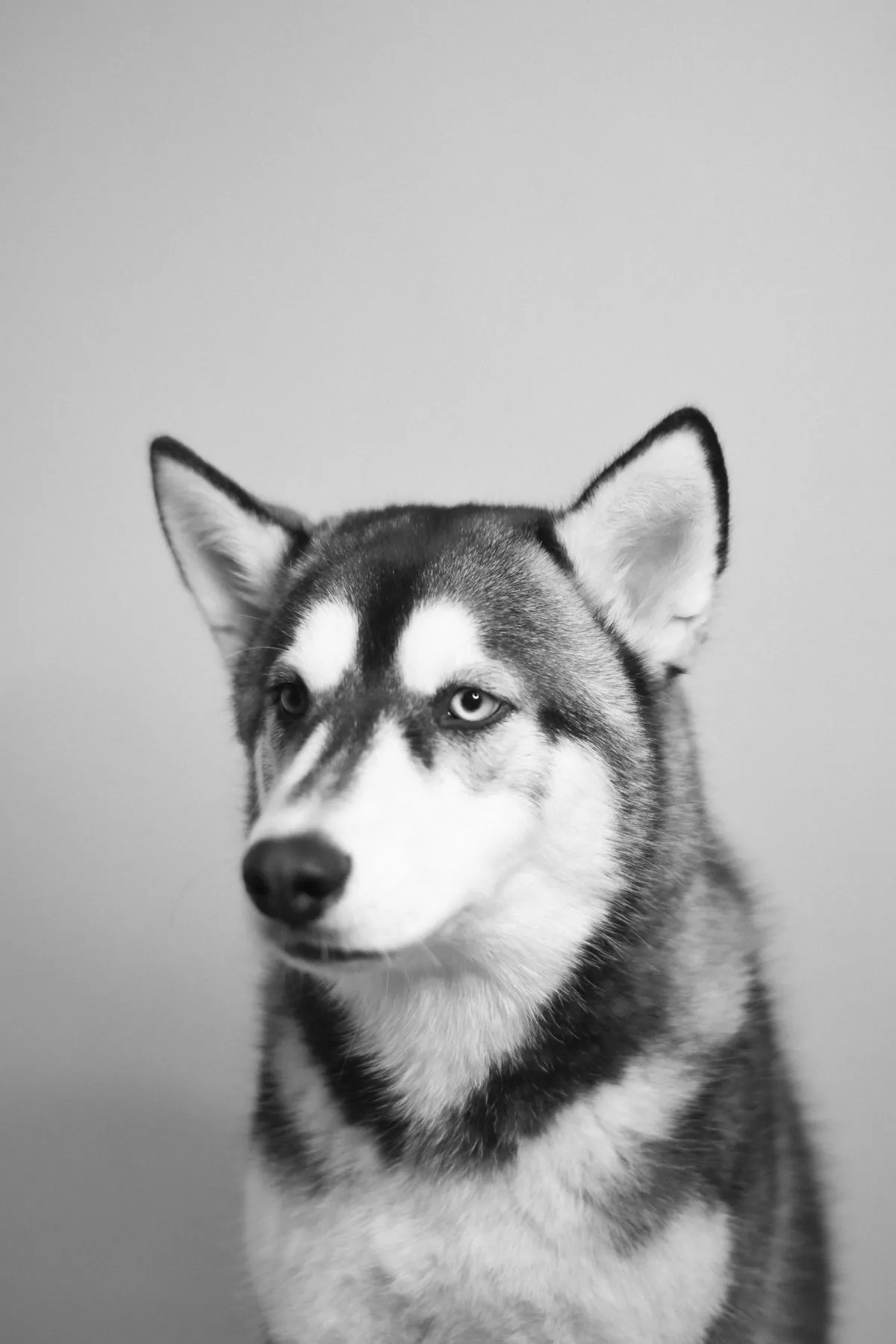
- Ford’s 2020 book gathers 150 dog portraits.
- His accounts connect studio animal photography with an earlier interest in telling a story through one image.
- The photographs and accompanying text offer artistic interpretations, not behavioral assessments.
Two words, many possible faces
Good Dog is a title broad enough for 150 portraits. Randal Ford’s 2020 collection, published by Rizzoli, brings individual dogs into a studio portrait format and pairs the work with their stories. The publisher credits a foreword to W. Bruce Cameron and says proceeds benefit Emancipet; it does not state an amount on the book page. The publisher’s record.
The title offers a familiar human judgment. The pictures invite a more particular question: which dog are we looking at, and what makes this face worth staying with?
One image, a narrative
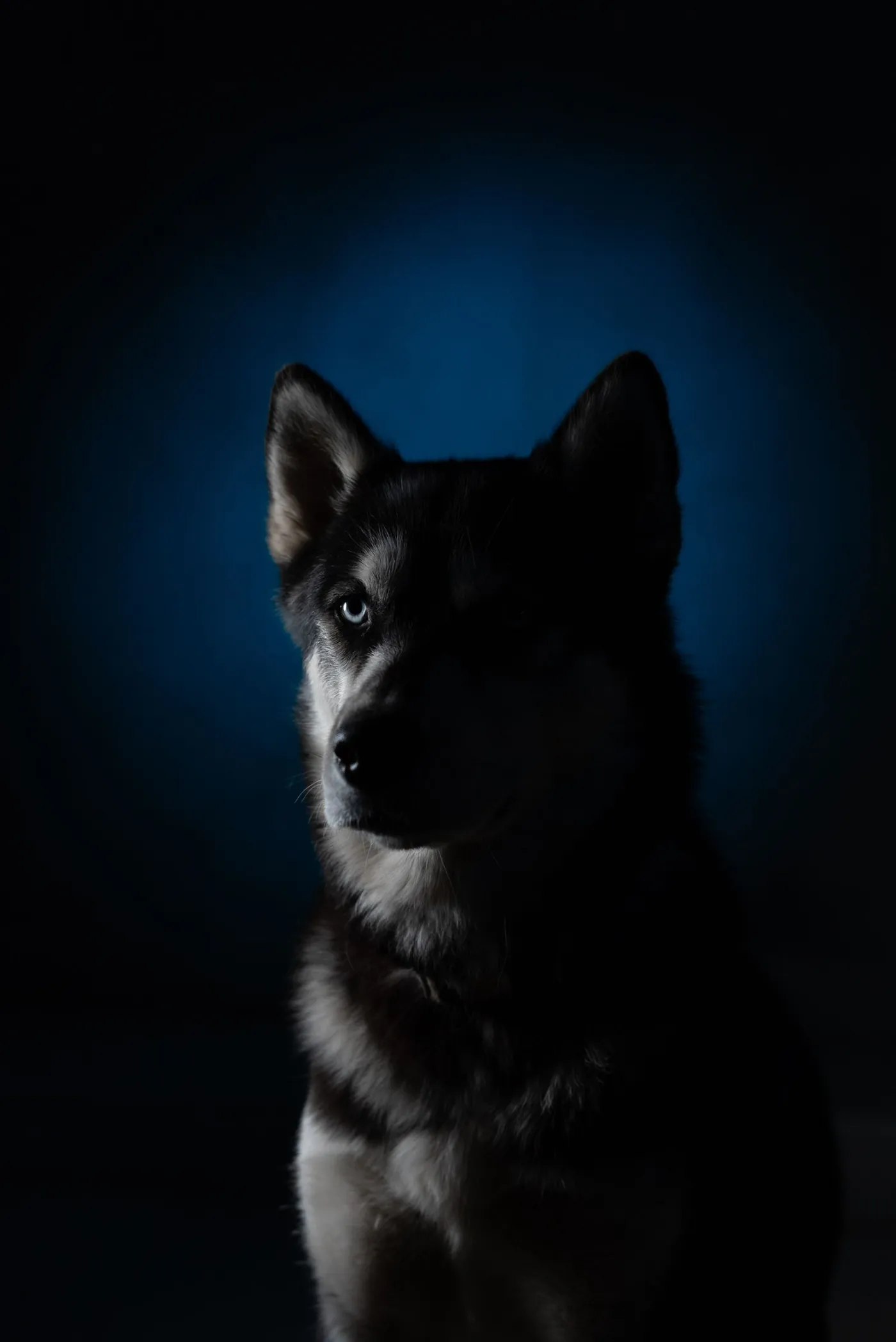
In a 2013 TIME interview, Ford traced his beginnings to work on the student newspaper at Texas A&M. He described the attraction of the form: “I fell in love with the idea of creating a narrative in one image: the portrait.” The interview about his photographic beginnings.
That is his account of an artistic intention. The later dog collection provides a concrete example of where it led, with a subject that cannot simply be directed through a spoken interview.
Giddy gets a page of his own
Ford’s text accompanying a portrait of an Australian shepherd named Giddy describes the image as a possible book cover: “I knew it was in the running for the cover.” The short piece closes with “Good dog.” Ford’s photograph and accompanying text.
The writing adds affection and imagined character to the studio image. That is a recognizable photographic convention: the artist guides the viewer toward a reading of the face. It should remain an interpretation, rather than being converted into a factual claim about how every Australian shepherd thinks or behaves.
The practical difference is in the language. A photograph can make a dog look solemn, amused or ready for business without establishing that the animal experienced the human emotion we attach to the picture.
The craft travels beyond the book
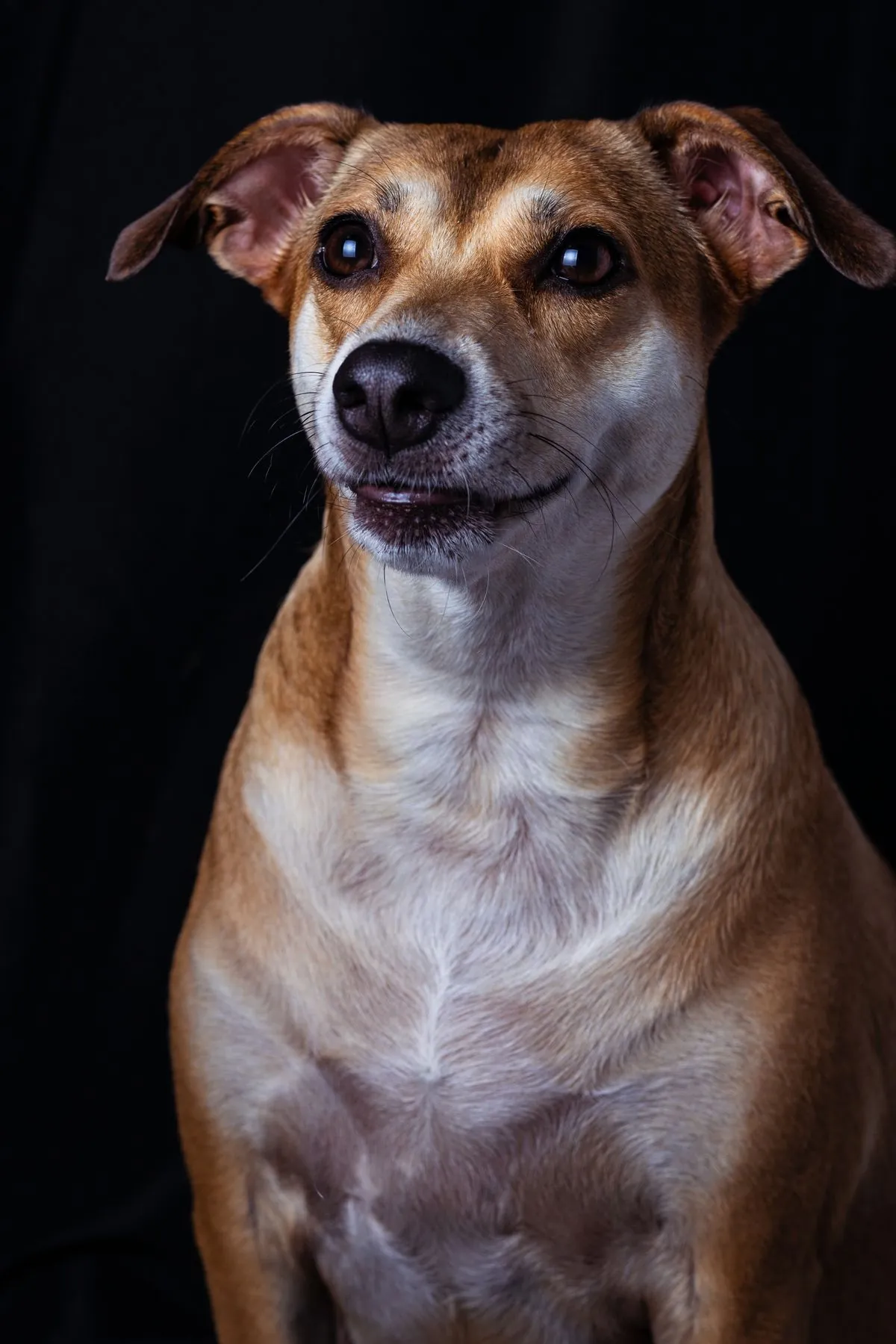
Ford also discussed professional pet photography in an October 2021 This Week in Photo interview. Alongside the published collection, that appearance documents a role explaining the work to other photographers. It does not establish that everyone in the field adopted his method. The photography interview.
We found this outside interview and his own photograph-linked writing; the interview is not an article authored by Ford. His book is an authored publication, with a commercial publisher and sales context that remain part of the story.
Could a portrait feel deeply true to an animal while still telling us just as much about the human looking at it?
That question is part of the pleasure of pet photography. The image can hold recognition without having to serve as a personality test.
For you: What would the title of your pet’s portrait be if “good” were only the beginning?
How we reported this: We have not interviewed Randal Ford. This portrait uses a publisher record, published interviews and his own accompanying photo text. It focuses on the dog project. This is independent editorial coverage, not a flurrily partnership or endorsement.
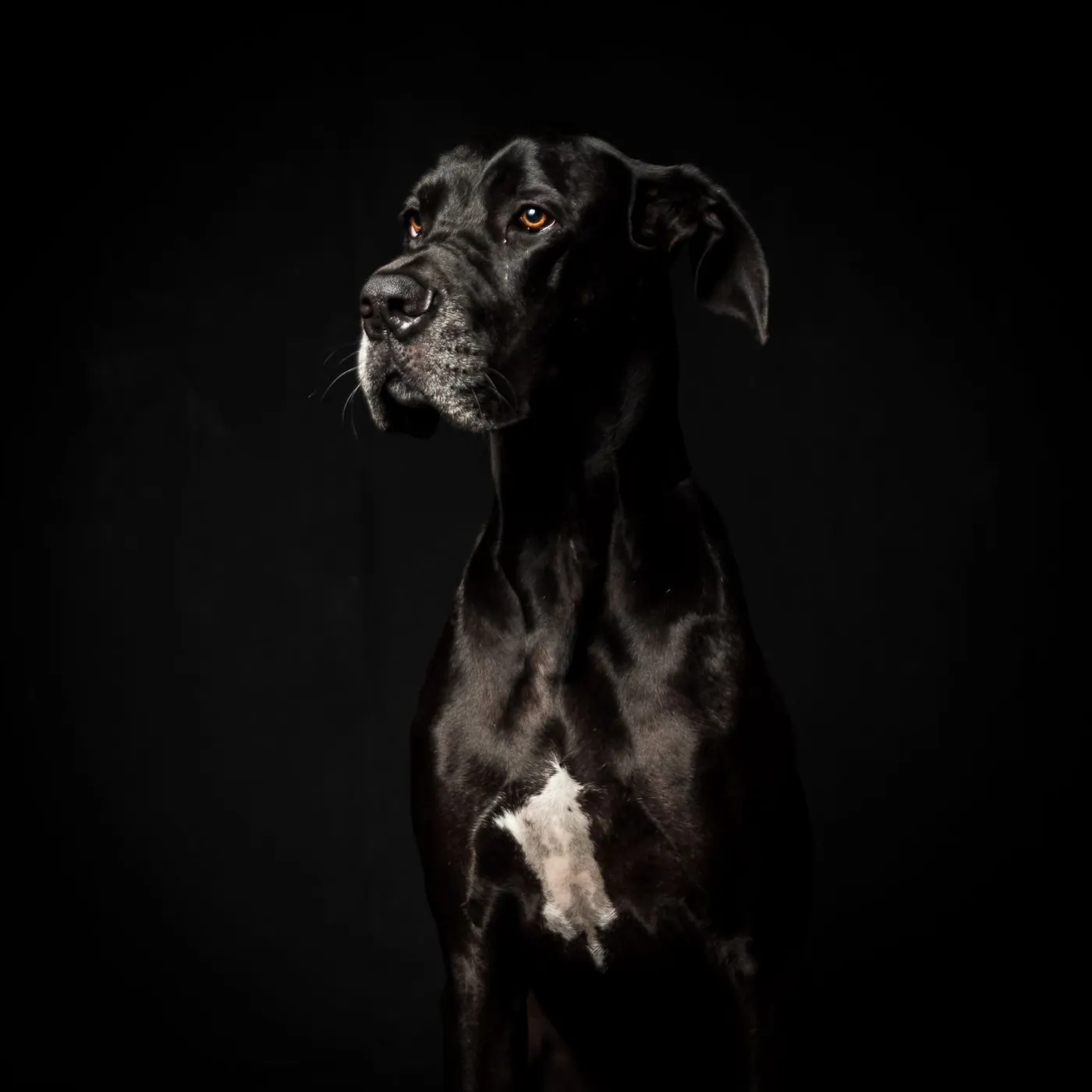
Photos: Majo Pestaña on Pexels; Ivan Garfias on Pexels; Victor Candiani on Pexels; Luis Kuthe on Pexels.