
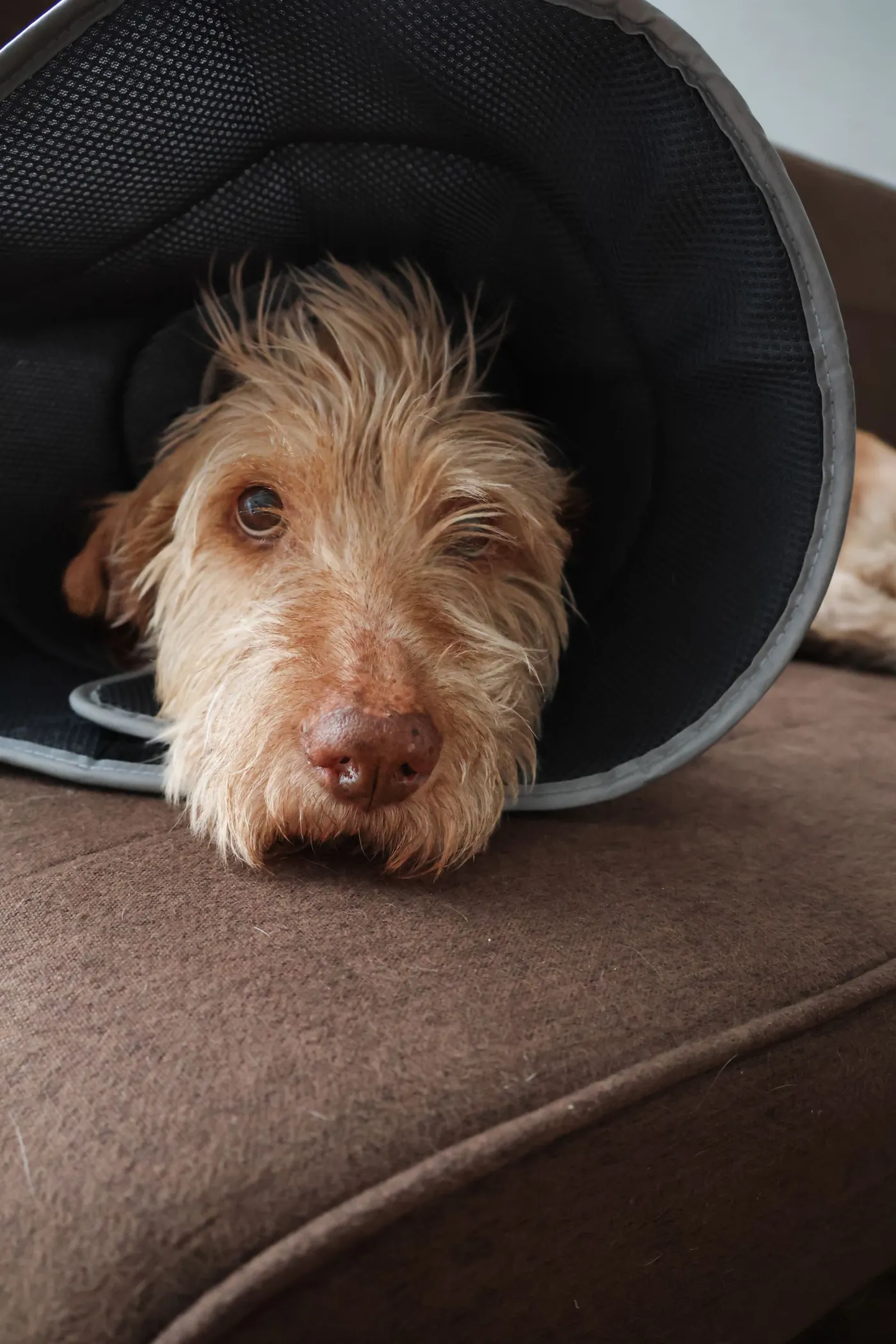
- Hamilton’s public explanations emphasize patience and trust during care.
- Broadcast coverage carried that perspective beyond his own social account.
- A short patient video cannot show the whole clinical decision or establish a new treatment method.
The appointment is more than its final task
In the veterinary videos that brought Thomas Hamilton to Good Morning America in 2022, attention falls on the interaction before an appointment’s practical task is finished. His explanation was that an animal’s response can change “with just some kindness”. GoLocalProv’s report of the appearance.
Hamilton pushed beyond seeing the goal as simply to “vaccinate them and send them on their way”. He described a further intention: “I want to actually build a relationship with them.” These are his stated beliefs about patient interaction, not findings from a controlled study.
The idea gives viewers something concrete to notice: how a clinician approaches an animal, makes space for its response and thinks about the next encounter as well as this one.
A childhood memory behind a public message
The same coverage recounts Hamilton’s childhood story about his dog Bandit and the animal’s protective role in his life. It is a personal recollection used to explain his connection with animals; this portrait does not independently establish every detail of that memory. The 2022 report identifies his Rhode Island veterinary workplace at that time, rather than confirming where he practices now. The published career context.
In July 2023, ABC carried another patient story, showing an injured dog learning to trust the veterinarian. The repeated broadcast attention is a documented platform for his approach. It does not, by itself, measure whether his handling improves outcomes across patients. ABC’s July 13, 2023 video report.
The camera shows a moment
Animal-care videos invite an understandable response: that looks kind; perhaps I should do the same thing. But the viewer may not know the patient’s history, the surrounding assessment, what happened before filming or what was edited out.
Hamilton’s relationship-focused message can prompt a useful conversation with a veterinary team. It should not become an instruction to put your face close to a frightened animal or reproduce a clinician’s positioning at home. Individual patients and situations differ.
If an appointment has a medical goal, what would it mean to judge part of its success by how the next appointment begins?
Watch the explanation as well as the image
We located his own TikTok material and public interviews, but no verified outside article authored by Hamilton for analysis. The work considered here is audiovisual communication and his published explanation of its purpose. It should be credited that way.
For readers, the useful takeaway is a question about preparation and handling: how can the veterinary team help this particular pet through care? flurrily brings together expert perspectives; we cannot assess your animal from a clip or provide an individualized handling plan.
For you: What would you like your veterinary team to know about how your pet experiences an appointment?
How we reported this: We have not interviewed Thomas Hamilton. This portrait uses dated broadcast reporting, attributed remarks and an identified original social post. It does not claim a novel clinical protocol or endorse a practitioner. No partnership exists with flurrily.
Photos: Andreas Schnabl on Pexels; GetRumaska on Pexels; Raymond Petrik on Pexels; MikeGz on Pexels.