
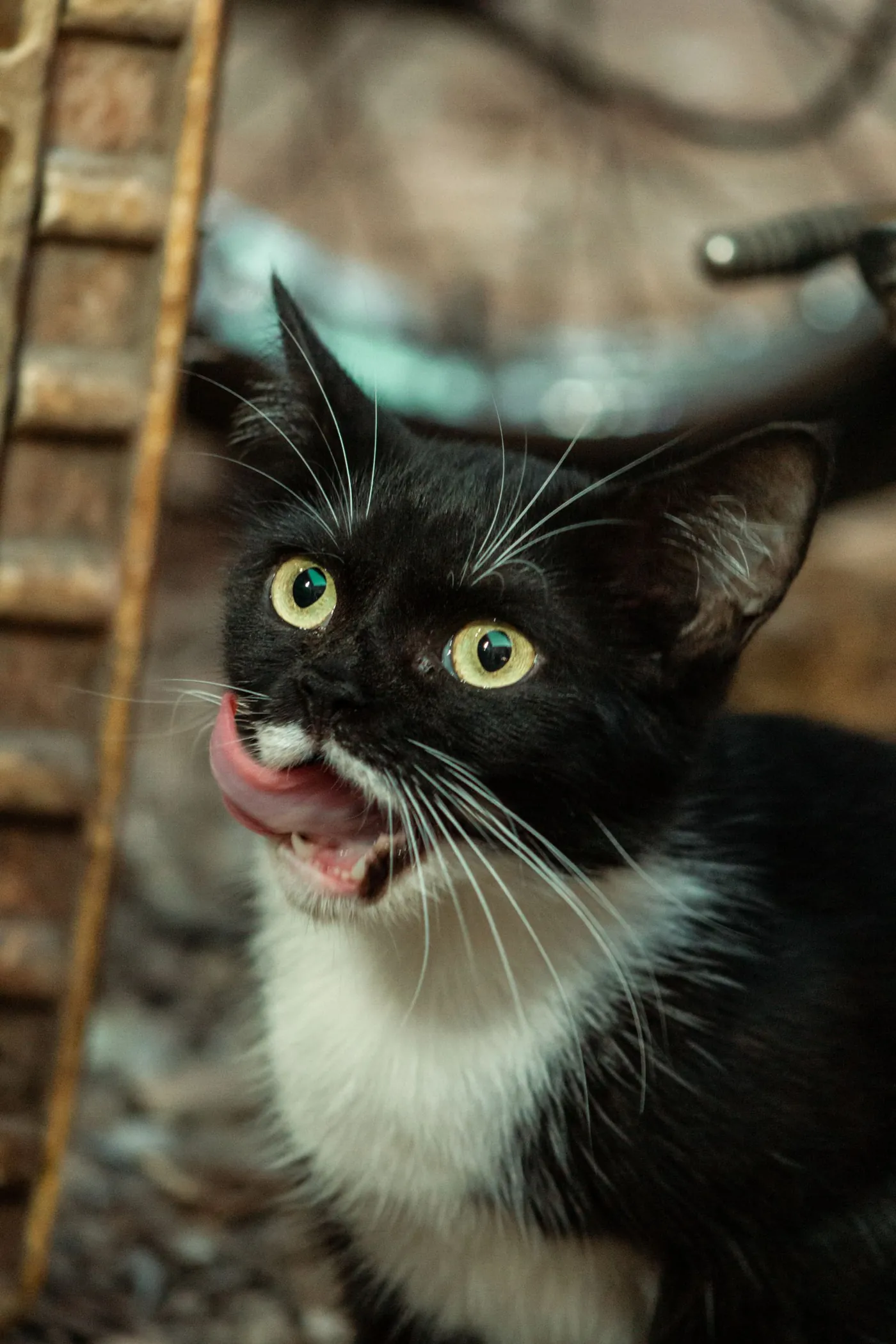
The cat on the tin looks delighted. The fish has a premium-sounding name. Somewhere in the background, a cartoon goldfish is reconsidering its housing arrangements.
We have inherited a whole bundle of claims: cats love fish, fish is a luxury, fish is especially healthy, and wanting it is written into feline DNA. Those are different questions. We looked at taste research, feline nutrition guidance and cat-behaviour resources to pull them apart. flurrily is curating the experts, not prescribing your cat’s menu.
The tuna enthusiasm has a plausible explanation
In a 2023 study in Chemical Senses, Scott McGrane and colleagues investigated cats’ umami, or savoury, taste receptor and tested their responses to taste compounds. They proposed that tuna’s combination of inosine monophosphate and the amino acid histidine helps explain its appeal: together, these compounds can produce a strong savoury response. The researchers were affiliated with Waltham Petcare Science Institute, part of Mars Petcare, a relevant industry connection. McGrane and colleagues’ research.
What that supports: a biological explanation for why tuna can be appealing. What it does not establish: that every cat loves every fish, that taste measures nutritional completeness, or that cats possess a special requirement to eat fish. The study investigated taste mechanisms and preferences; it was not a lifetime feeding trial.
A taste receptor is not an ancestral seafood subscription
Carlos Driscoll and colleagues’ genetic research traced domestic-cat origins to Near Eastern wildcat ancestry. That work concerns domestication, not a discovery that domestic cats evolved to require tuna. The 2007 Science paper.
Read together, the ancestry paper and taste study tell a more specific story than the familiar slogan: a carnivore can find fish flavours attractive without having a fish-specific dietary requirement. That is a synthesis of the two sources, not a claim that all cats have the same preferences or never catch fish.
The nutrition question lives elsewhere on the label
Cornell’s Feline Health Center describes cats as obligate carnivores with particular nutrient needs. It recommends a complete, balanced diet appropriate to the animal’s life stage. That leaves room for a formulated food containing fish; it does not make a can of human tuna an equivalent daily diet. Cornell also cautions against relying on canned fish intended for people. Cornell’s guide to feeding cats.
AAFCO, the association that develops model animal-feed standards, directs consumers to the nutritional-adequacy statement. That statement identifies whether a food is intended to provide complete nutrition and for which life stage. Ingredient naming and flavour language answer other questions. AAFCO’s label-reading guide.
So “luxury” remains a description of how a product is presented here, not an outcome measured by these sources. They do not establish a health advantage from the word, the price or the fish illustration. A complete fish-based cat food, a complementary fish treat and human canned tuna need separate consideration.
For a cat with a medical condition or a suspected food reaction, those general resources cannot select the right recipe. That question belongs with the veterinarian who knows the cat and, if needed, a board-certified veterinary nutritionist.
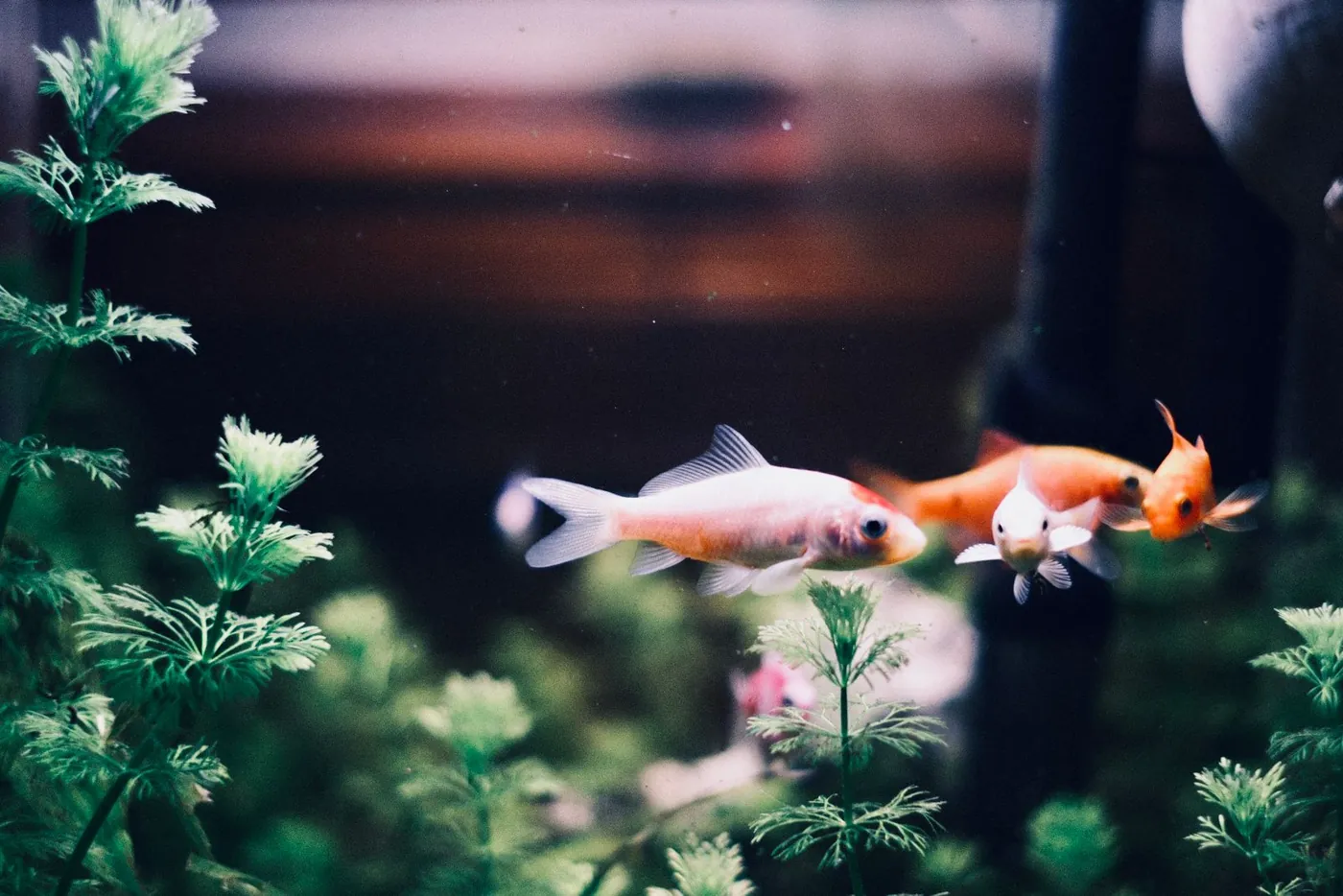
And the goldfish?
Cats Protection explains that hunting and hunger are separate motivations: a well-fed cat can still hunt. That gives the aquarium concern a behavioural basis, but it does not predict that every individual cat will catch or eat a goldfish. It also does not make a feeding experiment with another pet a useful test. Cats Protection on hunting.
The “put the bowl higher” rule is not a verified safety standard in the sources we found. RSPCA guidance instead starts with a properly planned aquarium that meets the fish’s environmental needs. Our practical inference is to prevent the cat accessing the fish, rather than treating height alone as protection; ask an aquatic veterinarian or experienced aquarium professional to assess the enclosure and an appropriate secure cover. A decorative bowl is not automatically suitable fish housing. RSPCA’s aquarium guidance.
The question at dinner is therefore more useful when it gets narrower: is this food complete for this cat, and does it fit their individual needs? The cat may have a strong opinion about tuna. Their veterinarian can help with the rest of the label.
A NOTE FROM flurrily
We curate research and expert guidance; we are not your veterinarian or a substitute for an examination. Ask your veterinary team before changing a medically managed diet or if appetite, weight, digestion or behaviour changes. This article does not diagnose a food allergy or recommend feeding live fish.
Photos: TheKarachiGuy on Pexels; Cihan Yüce on Pexels; nguy-n-khanh on Pexels; stefan-maritz on Pexels.